
Types of Benchtop Power Tools at True Value
Whether you're building cabinetry, cutting trim or lumber, or sharpening tools, benchtop power tools provide the consistent results DIYers and contractors expect. The table below outlines the benchtop power tools available at True Value and how each supports different needs:
Tool Type | Key Features | Best Use Cases | Image |
10"–12" blades, adjustable bevel and miter angles, laser guides on select models | Accurate crosscuts, angled cuts for trim, molding, framing lumber | 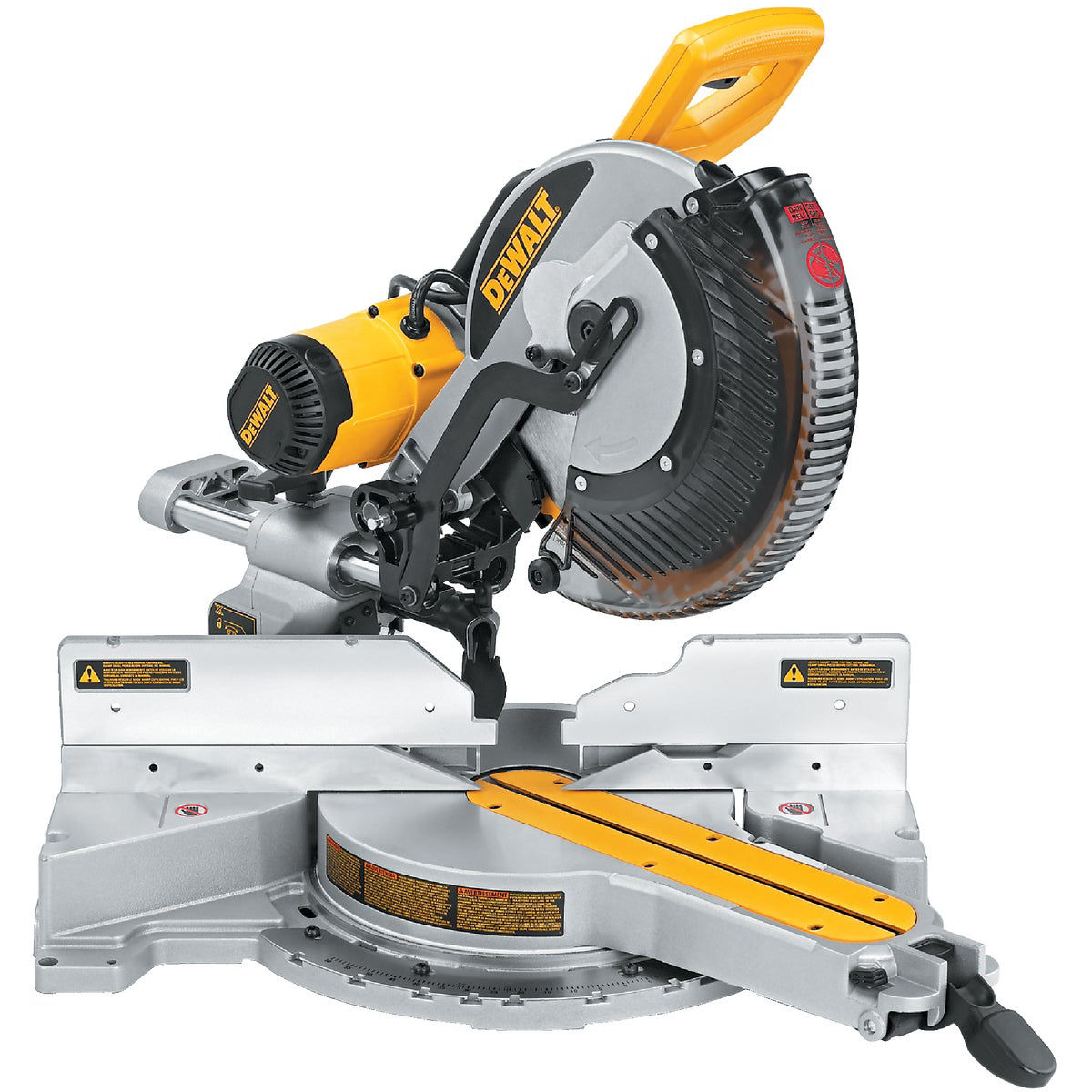 | |
Rip fences, adjustable blade height, 15-amp motors, up to 32 ½” rip capacity | Straight rip cuts, sheet goods, cabinetry panels | 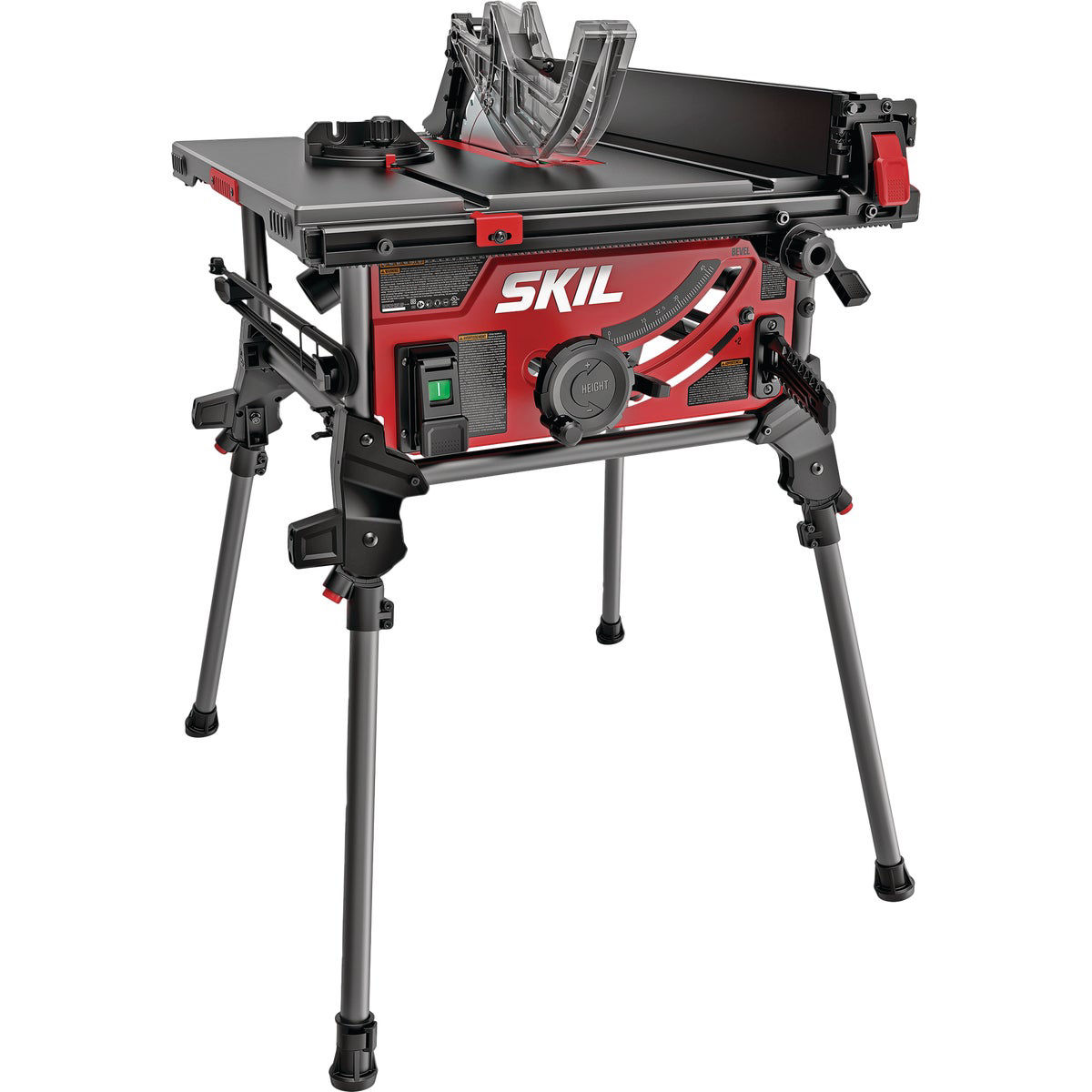 | |
Dual grinding wheels, tool rests, spark guards, LED lights | Sharpening blades, shaping metal, rust removal | 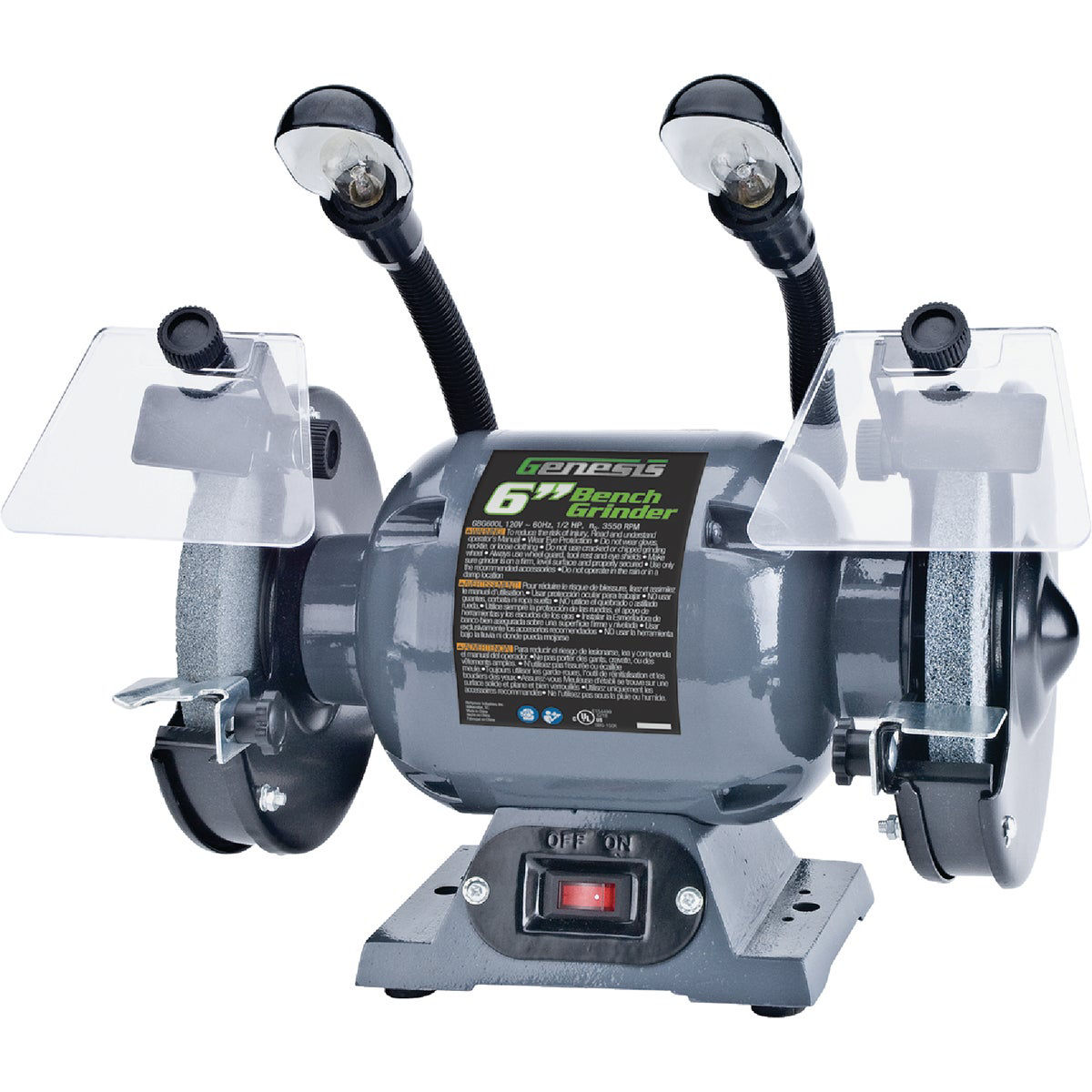 | |
12 ½–13" cutting width, multiple cutter heads, depth adjustment | Achieving consistent board thickness, smoothing rough lumber | 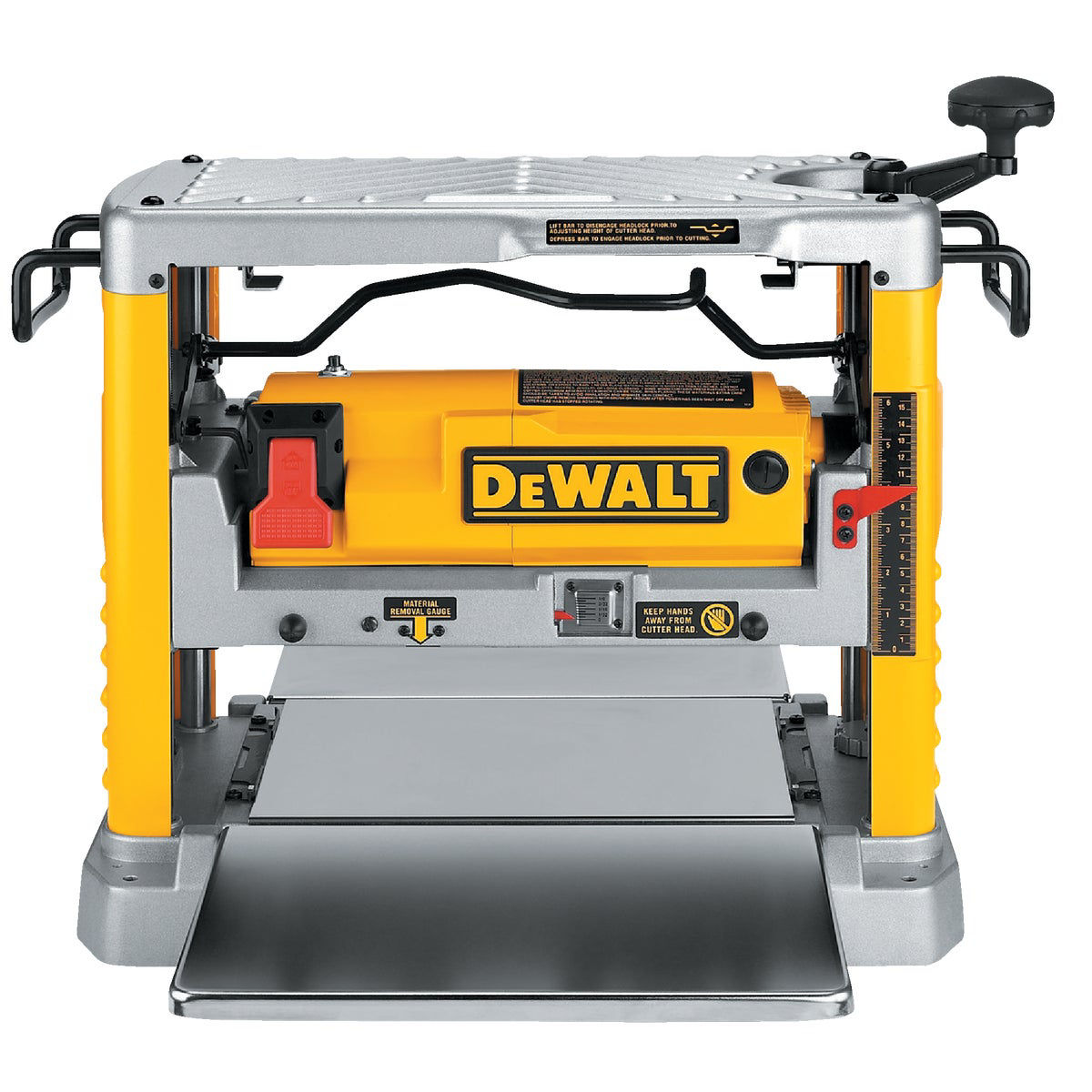 | |
Adjustable table height, depth stop control, variable speed, work light | Precise vertical drilling, repetitive hole placement | 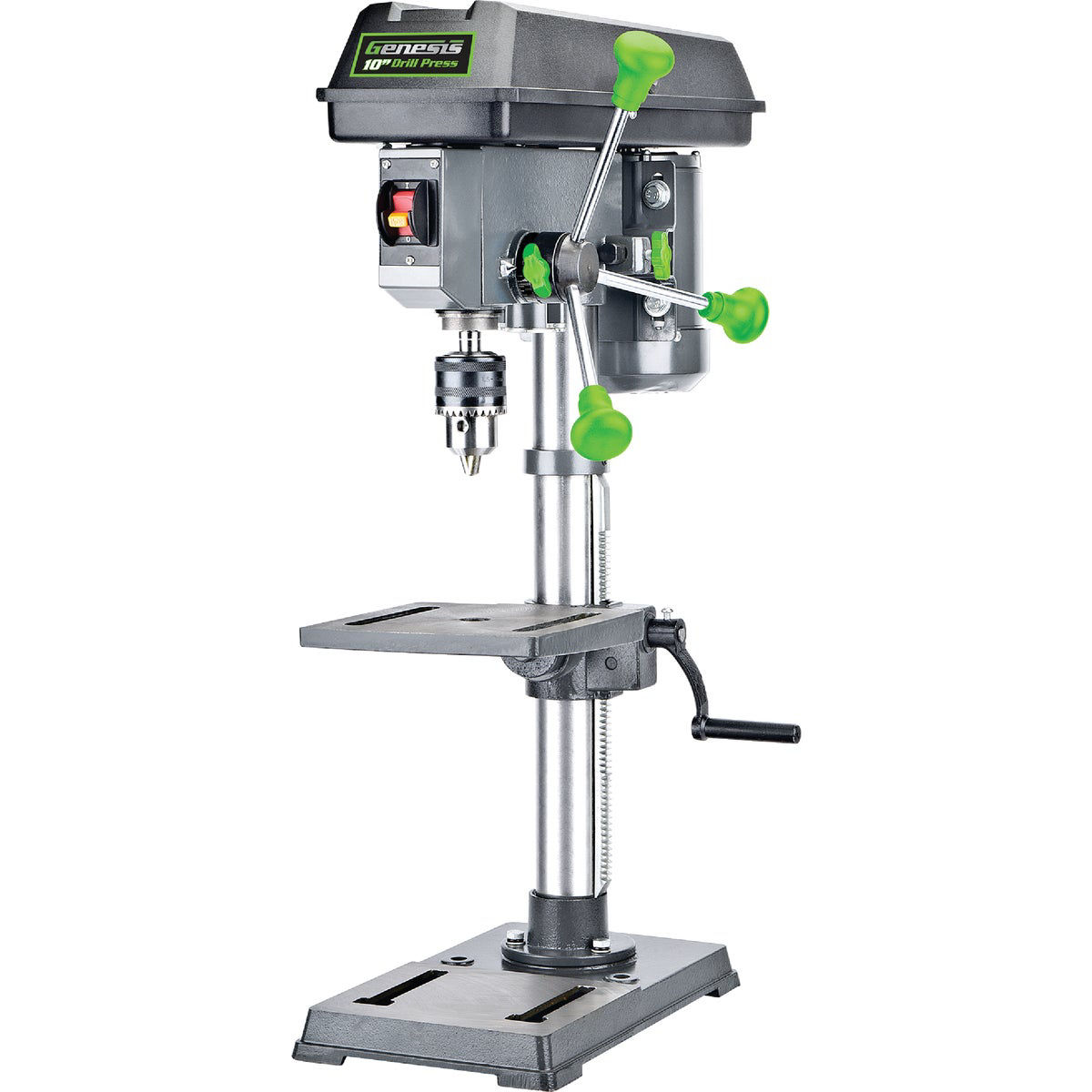 | |
Variable speed, thin blades for tight curves | Intricate cuts, decorative woodworking, detailed patterns | 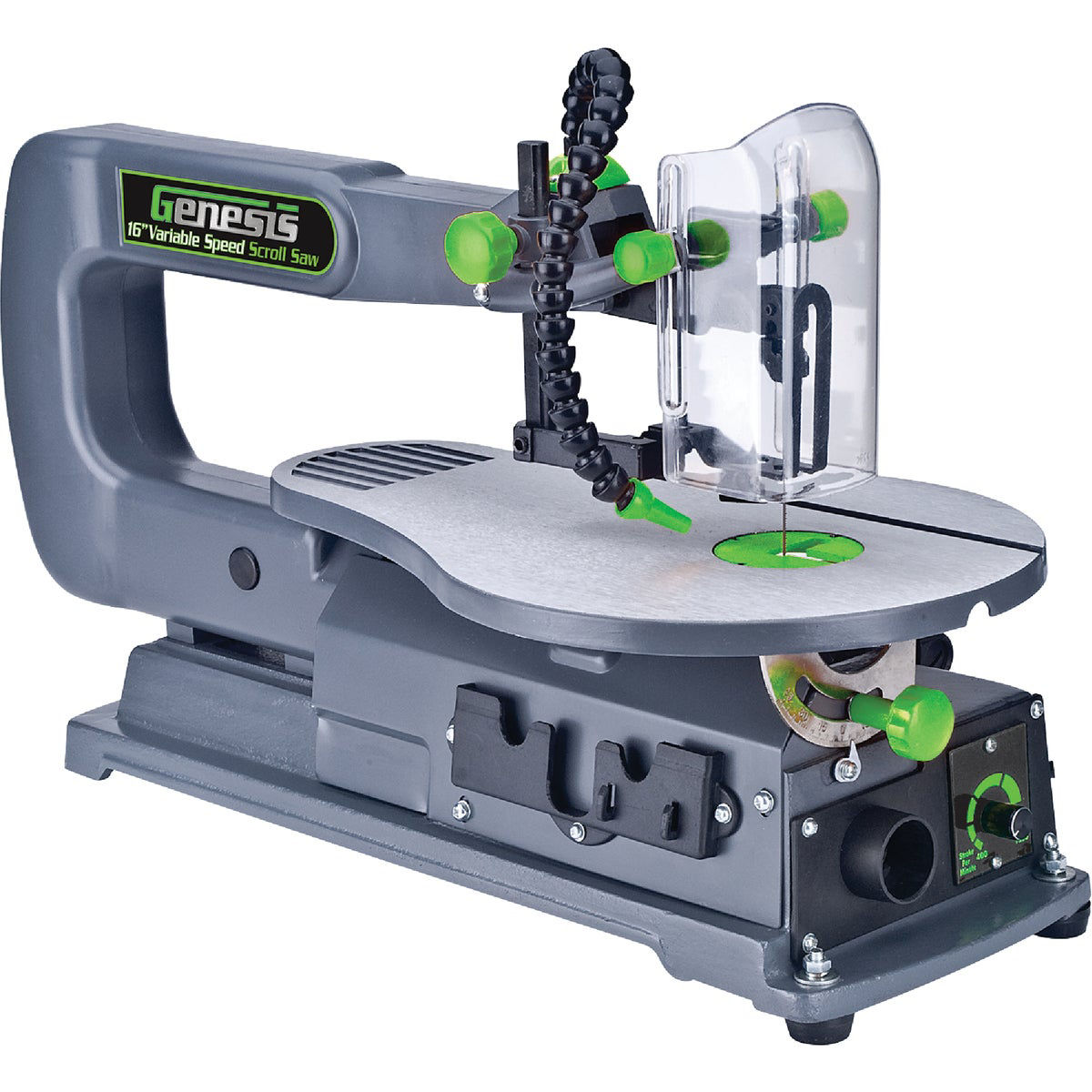 |
Why Bench Top Tools Deliver Better Accuracy
Accuracy is the primary reason woodworkers and serious DIYers invest in benchtop tools. Here are a few ways these tools achieve precision and accuracy:
- Fixed Bases: A mounted tool minimizes vibration and hand movement, meaning straighter cuts and cleaner holes.
- Repeatable Adjustments: Features like rip fences, depth stops, bevel scales, and angle locks allow users to reproduce the same cut or hole multiple times with consistent results.
- Greater Cutting Stability: Larger tables and support surfaces keep material steady during operation.
- Improved Motor Performance: Many benchtop tools use 10–15 amp motors that provide steady torque for cutting over extended periods of time.
- Cleaner Edges and Joints: Stable cutting platforms reduce tear-out and uneven finishes, especially in hardwood and sheet goods.
Choosing the Right Benchtop Power Tool
Selecting the right tool depends on your space, project type, and frequency of use. Use the following considerations to guide your decision:
- Define Your Primary Project Type: Trim and framing work may require a miter saw. Cabinetry and sheet goods call for a table saw. A scroll saw is best for decorative woodwork.
- Confirm Motor Power and Capacity: Look for 10–15 amp motors on saws for premium cutting performance. Planers typically handle 12–13 inch boards. Drill presses vary by swing capacity and spindle travel.
- Measure Available Workspace: Ensure you have enough bench space and clearance for material feed and outfeed. Some tools may require dedicated stands.
- Match Tool to Material Type: Hardwood, softwood, and metal require different power levels and blade configurations. Choose accordingly based on your material type.
- Consider Precision Features: Adjustable fences, laser guides, depth stops, and variable speed settings improve accuracy and flexibility when making cuts.
- Brands: Reliable brands like DeWalt, Makita, and other trusted manufacturers deliver consistent quality, accurate adjustment systems, and long-lasting motors.
Benchtop power tools provide accuracy, power, and consistent results for any project you’re tackling. Browse our full selection of stationary and benchtop power tools online today and take advantage of home delivery or same-day pickup at a True Value store near you.
Bench Top Power Tool FAQs
Many tools require basic setup, including attaching fences, aligning blades, or calibrating guides before first use.
Yes. Most include mounting holes so they can be bolted to a workbench for added stability.
Replacement frequency depends on the material and usage. A general rule of thumb is to replace every 6-12 months or when you notice dull cuts.
Yes, assuming users follow safety guidelines and understand setup procedures. Many models are designed with safety guards and adjustment guides.